Same App, Totally Different Game: The iOS vs. Android Mobile Gaming Divide Nobody Talks About
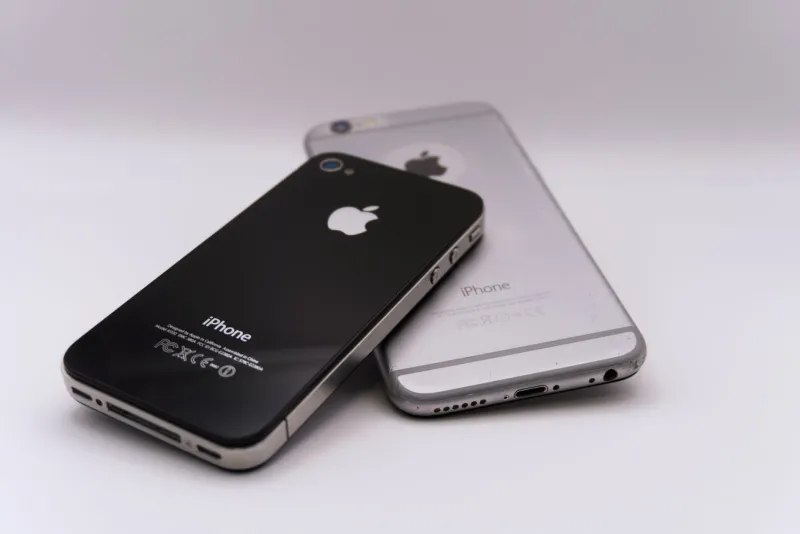
Picture this: you and your buddy both download the hottest new mobile title on launch day. You're on your iPhone 15, they're rocking a Samsung Galaxy S24. Same game, same version number, same Wi-Fi network. But somehow — somehow — their game looks a little rougher around the edges, gets a feature you've been waiting on three weeks later, and crashes during the exact moment that costs them a ranked match. Or maybe it's the other way around.
This isn't bad luck. It's the iOS vs. Android divide, and it's one of the most underappreciated fault lines running through mobile gaming right now.
Why the Same Game Can Feel Like Two Different Products
Here's the core issue: iOS and Android are fundamentally different ecosystems built on different technical philosophies, and game developers have to navigate both simultaneously. Apple controls its hardware and software with an iron grip, which means developers know exactly what they're building for. There are only so many iPhone models in active use at any given time, and Apple's tight integration between its chips — the A-series and now M-series — and its operating system lets developers squeeze out consistent, predictable performance.
Android is a whole different story. The platform runs on hundreds of different devices from dozens of manufacturers, spanning everything from a $150 budget phone to a $1,200 flagship. That fragmentation is Android's greatest strength as a consumer product and its biggest headache for game developers. Optimizing a game that runs beautifully on a Pixel 8 Pro while still being playable on a mid-range Motorola is genuinely hard work. Something usually has to give — and that something is often visual fidelity, frame rate stability, or load times.
The Feature Rollout Problem Is Real
If you've ever noticed that a major mobile game dropped a shiny new feature and it somehow wasn't available on your Android device yet, you weren't imagining things. iOS-first feature rollouts are extremely common in mobile gaming, and developers aren't being secretive about why: testing on iOS is faster and cheaper because of that smaller hardware pool.
When a studio wants to roll out a new game mode, a battle pass update, or a graphical overhaul, they can push it to iOS with reasonable confidence that it'll behave consistently across devices. Android requires a longer QA cycle to catch the weird edge cases that pop up across different chipsets, screen resolutions, and manufacturer-specific software tweaks. So iOS players get it first, Android players wait, and the competitive landscape quietly tilts — at least temporarily.
For US gamers playing anything with a live-service element, those delays matter. A new weapon, a new map, a balance patch — arriving a week or two late can genuinely affect how you perform against players who've already had time to adapt.
Monetization Isn't Even Playing the Same Game
Here's something that doesn't get nearly enough attention: the way mobile games extract money from players can actually differ between platforms, and it's not always subtle.
Apple's App Store takes a 30% cut of in-app purchases (reduced to 15% for smaller developers), and so does Google Play. But the way publishers respond to those fees — and the way they structure pricing — can vary. Some games offer slightly different bundle values, promotional deals, or exclusive content depending on which storefront you're shopping through. Apple has historically been stricter about certain monetization mechanics, which has occasionally pushed developers to get more creative with how they present purchases on iOS compared to Android.
Then there's the payment flow itself. iOS users often report a smoother, faster checkout experience, which — intentionally or not — can lower the friction that might otherwise make someone think twice before tapping "Buy." It's a small thing, but in an industry built on impulse purchases, small things add up.
Cross-Platform Play: Closer Than It Used to Be, Still Not There
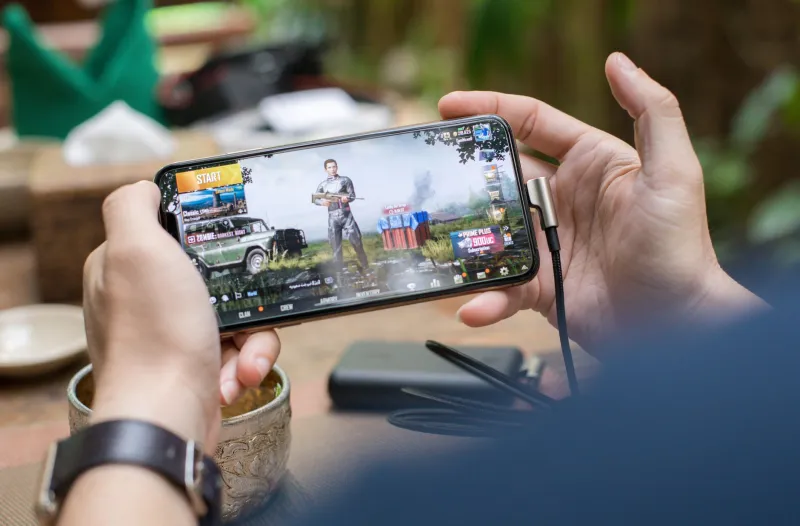
The good news is that cross-platform play between iOS and Android has gotten significantly better over the last few years. Games like Call of Duty: Mobile, PUBG Mobile, and Pokémon GO let players on both platforms share the same servers without too much trouble. For the most part, if you're playing against someone, you probably can't even tell what device they're on.
But "can play together" and "identical experience" are two very different things. Input timing, frame pacing, and how quickly a game renders fast-moving objects can vary enough between platforms to create meaningful differences in competitive play. A player on a high-refresh-rate Android device might actually see smoother animation than someone on an older iPhone, while that same iPhone might maintain more consistent frame times during chaotic team fights. There's no universal winner — it genuinely depends on the specific devices being compared.
What developers are doing to close the gap is interesting, though. More studios are adopting cross-platform development engines like Unity and Unreal with platform-specific rendering profiles, meaning the game dynamically adjusts its visual settings based on what hardware it detects. It's not perfect, but it's a meaningful step toward giving every player a competitive baseline.
What Android Players Can Do Right Now
If you're on Android and feeling like you're getting the short end of the stick, a few practical moves can help close the gap.
First, dig into your game's graphics settings. Many titles default to conservative settings on Android to ensure broad compatibility, but your specific device might be capable of running much higher quality. Manually bumping up resolution, shadow detail, or frame rate can reveal a noticeably better-looking game.
Second, keep your device's game optimization software in check. Samsung's Game Booster, for example, can actually interfere with performance if it's set too aggressively. Experiment with those settings before blaming the game itself.
Third — and this one's worth saying plainly — follow the patch notes. When a new feature drops on iOS first, the Android version usually follows within a few weeks. Knowing what's coming lets you prepare rather than get caught flat-footed.
The Bottom Line
The iOS vs. Android divide in mobile gaming isn't going away anytime soon, but it's also not as insurmountable as it once was. Developers are getting better at managing both ecosystems simultaneously, hardware gaps between flagship phones are narrowing, and the push for true cross-platform parity is real — even if it's slow.
What you're really dealing with is two ecosystems with different strengths, different limitations, and different relationships with the developers building on top of them. Neither is strictly better for gaming across the board. It depends on the game, the device, and honestly, sometimes just your luck with a particular update cycle.
At G2G Mobile Arena, we believe your experience should be defined by your skill and your hustle — not by which storefront you downloaded your game from. The platform divide is real, but knowing how it works puts you ahead of the players who just shrug and accept whatever they get.