Stuck in the Middle: The Broken Promise of Playing Your Mobile Games Everywhere

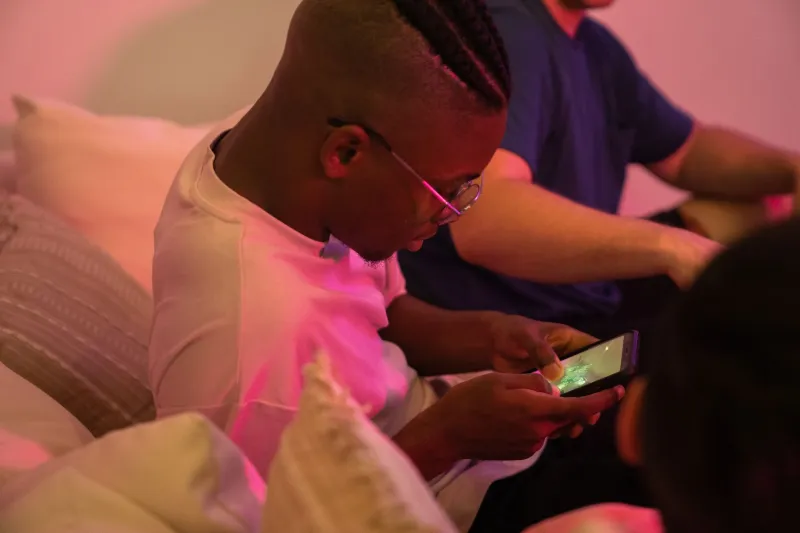
Picture this: you've been grinding through a strategy game on your phone during your lunch break, climbing ranks, unlocking gear, building something real. You get home, sit down at your PC, and figure — hey, same game, bigger screen, better session. You log in. And there it is: a completely separate account, a fresh start, zero of your progress. The version on PC might even have features the mobile build doesn't. You're not playing the same game. You're playing a cousin of it.
This is the cross-platform mirage, and if you're a serious mobile gamer in 2024, you've probably walked right into it.
Why "Cross-Platform" Means Something Different to Every Developer
Here's the thing most people don't realize until it's too late: cross-platform isn't a standard. It's a marketing term that developers define however they want. For some studios, cross-platform means you can play against users on other devices. For others, it means your account travels with you. For a frustrating number of them, it means neither — it just means the game exists on multiple platforms, separately, with no connection between them.
Take a title like Call of Duty: Mobile versus Warzone Mobile. They share a brand, a universe, and some cosmetics, but your progression in one doesn't automatically mirror the other in any meaningful way. Players who invested years into one ecosystem found themselves starting over when they crossed platforms. That's not a bug — that's a deliberate design decision baked into how these games were architected from day one.
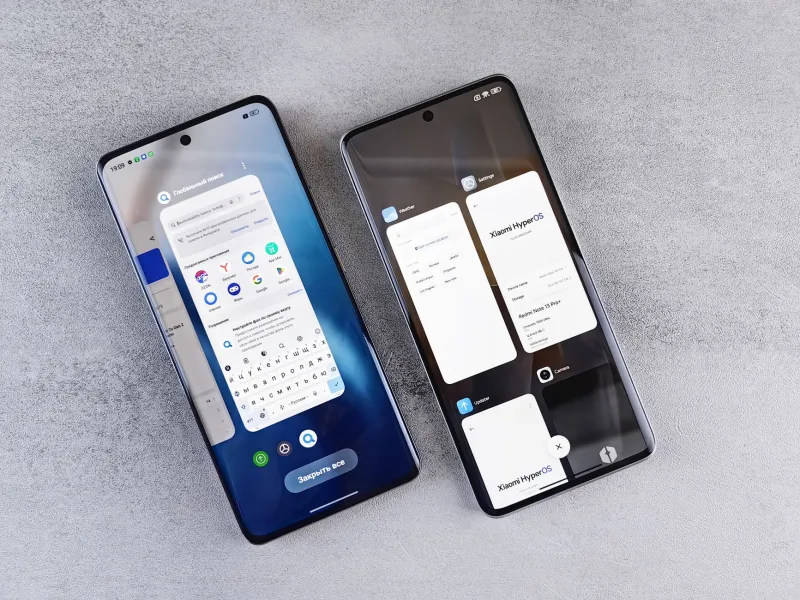
The problem runs deeper than laziness on the developer side. Mobile game builds are genuinely different animals. Touch controls, smaller screens, battery constraints, and wildly varied hardware specs mean that what works on a $1,200 gaming PC doesn't translate cleanly to a mid-range Android. Developers often build separate codebases entirely, which means separate economies, separate balance patches, and separate progression tracks. Bridging those isn't a checkbox — it's an engineering project.
The Account Fragmentation Problem Is Worse Than You Think
Let's talk about the thing that drives mobile gamers absolutely up the wall: account fragmentation. If you've ever played a mobile game tied to a Google Play account, then tried to access it through a PC browser client or a different platform, you already know the pain. Suddenly you need a separate login, or the game doesn't recognize your platform credentials, or — worst of all — the game's PC version is published by a completely different company than the mobile version.
This isn't hypothetical. PUBG Mobile and PUBG: Battlegrounds on PC are operated by different entities in different regions with different progression systems. Your mobile rank means nothing on the desktop client. Players in the US have had to maintain two entirely separate identities within what feels like the same game world.
Then there's the spending problem. If you've dropped money on a battle pass or a skin pack on mobile, that purchase often doesn't follow you to another platform. You're essentially paying twice for the same content just to maintain consistency across your own gaming setup. For casual spenders that's annoying. For dedicated players who've invested real money into their mobile accounts, it's a dealbreaker.
The Platforms That Actually Got It Right — And What They Did Differently
It's not all bad news. A few developers have managed to pull off genuine cross-platform continuity, and the way they did it offers a blueprint for what the industry could look like.
Fortnite is the most cited example for good reason. Epic built its account system around a universal Epic Games ID from the start, meaning your skins, your V-Bucks, and your stats follow you from mobile to Switch to PS5 to PC without friction. The mobile version has its own quirks and limitations, but the core identity travels. That single decision — building account universality into the foundation — made everything else easier.
Minecraft with its Bedrock edition took a similar approach. One account, one world, one marketplace across most platforms. Not perfect, but dramatically more unified than the industry norm.
What both of these have in common is that they committed to cross-platform as an architectural decision, not a feature they bolted on later. That's the key difference. Retrofitting cross-platform functionality into a game that was never designed for it is brutally expensive and often impossible without breaking existing systems.
What's Actually Coming That Could Change Things
The good news for mobile-first gamers is that the ecosystem is shifting — slowly, but genuinely. A few trends are worth watching.
Cloud gaming is the wildcard. Services like Xbox Cloud Gaming and NVIDIA GeForce NOW are building toward a model where the game lives in the cloud and your device is just a screen. If you're playing the same cloud instance whether you're on your phone or your laptop, the cross-platform problem technically dissolves. You're not switching platforms — you're switching screens. Microsoft has been quietly pushing this direction with Game Pass, and while mobile cloud gaming still has latency issues in the US depending on your carrier, 5G infrastructure improvements are making it more viable every year.
Unified identity layers are gaining traction. More developers are adopting platform-agnostic account systems — logging in through an email or a third-party ID rather than tying your account to a specific storefront. This alone solves a significant chunk of the fragmentation problem.
Regulatory pressure is starting to matter. The FTC and consumer advocacy groups in the US have been increasingly vocal about digital purchases that don't travel with the consumer. It's not legislation yet, but the conversation is happening, and studios that operate in multiple markets are paying attention.
What You Can Do Right Now
While the industry figures itself out, there are practical steps you can take to protect yourself from the fragmentation trap.
Before you invest seriously in any mobile game, check whether it has a universal account system or whether it's locked to your app store credentials. A quick search for "[game name] cross-platform account" before you spend anything can save you real money and real frustration down the road.
If a game you love has both a mobile version and a PC client, look into whether they share progression before you commit to one platform. Sometimes the PC version has the better deal — or vice versa. Know what you're signing up for.
And if cross-platform continuity is a priority for you, vote with your time and money. Games that invest in unified ecosystems deserve the player base. The more players reward that approach, the more developers have a financial reason to prioritize it.
The Gap Is Real, But It's Closing
Mobile gaming has come an enormous distance in a short time. The idea that your phone is a legitimate gaming platform — not a compromise, but an actual first choice — is real and growing. But the ecosystem around it hasn't caught up to that ambition yet. The cross-platform experience most mobile gamers want, where your progress, your purchases, and your identity travel seamlessly across every screen you own, is still more promise than reality.
The pieces are there. The technology exists. What's missing is the industry-wide commitment to actually build it. Until that happens, mobile gamers are going to keep getting caught in the middle — and that's a gap worth talking about.