Same Game, Different World: Why Switching Phones Can Erase Your Entire Mobile Library
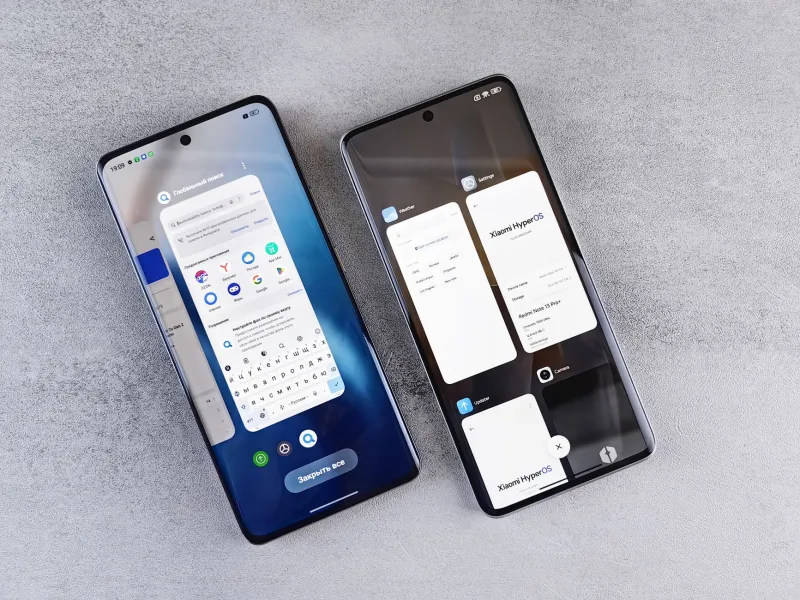
Imagine putting in six months on a mobile game — leveling up, unlocking characters, spending a few bucks here and there on battle passes and cosmetics. Then you switch phones. Maybe you went from iPhone to a Galaxy. Maybe you finally made the jump the other direction. Either way, you open the app store on your new device, download the same game you've been playing for half a year, and hit a wall. Your account is gone. Your purchases don't exist. You're starting over like it's day one.
This isn't a glitch. It's by design. And it happens to millions of US mobile gamers every year.
The iOS-Android divide is one of the most quietly infuriating realities of mobile gaming today. The same game can exist on both platforms, look identical, and even share the same servers — but the moment you try to move your account, your progress, or your paid content across that invisible line, the whole thing collapses. Here's why it happens, and what you can actually do about it.
Two Ecosystems That Were Never Built to Talk to Each Other
Apple's App Store and Google Play aren't just different storefronts — they're entirely separate economic and technical universes. When you buy something inside an iOS app, that transaction runs through Apple's payment infrastructure. Google handles Android purchases through its own billing system. These two companies are fierce competitors, and they've built their platforms accordingly.
This means that when a developer sells you a $4.99 skin or a monthly subscription inside their game, that money flows to either Apple or Google — not just to the developer. Both companies take a cut (historically around 30%, though that's been contested in courts and has shifted somewhat). The point is, each platform owns its slice of that transaction. Allowing purchases to transfer between platforms would mean one company essentially recognizing and honoring revenue that flowed through a competitor. That's not something either Apple or Google is eager to support.
For developers, building cross-platform account systems is technically possible but genuinely complicated. It requires building and maintaining a separate authentication layer — something like account login through email, Google, Facebook, or a proprietary system — that sits above both platforms. Smaller studios often don't have the resources to do this right. Larger publishers sometimes choose not to, for reasons we'll get into.
Why Big Publishers Actually Prefer the Divide
Here's the part that might surprise you: some of the biggest names in mobile gaming aren't just failing to fix the platform split — they're actively benefiting from it.
When a player switches platforms and loses their progress, they face a choice: walk away from the game entirely, or start fresh. A significant chunk of players choose to start over. And starting over often means spending again — on the same content they already purchased on the other platform. Publishers call this kind of spending "re-monetization." It's not a conspiracy theory; it's a documented business strategy.
There's also a competitive angle. Platform exclusivity deals — where a game launches on iOS first or offers exclusive content on Android — are real. Developers sometimes receive marketing support, featured placement, or financial incentives from Apple or Google in exchange for timed exclusives or platform-specific content. That arrangement keeps both platform holders happy and gives publishers a reason to keep the ecosystems separate.
The Legal and Technical Fine Print
Beyond business incentives, there are genuine technical and legal headaches involved in cross-platform parity.
App store terms of service are notoriously strict about how developers can handle purchases. Apple, for example, has historically prohibited apps from directing users to external payment methods — a rule that's been at the center of major antitrust battles, including Epic Games' high-profile lawsuit. While some of those rules have loosened slightly following court decisions, the fundamental architecture of in-app purchasing still creates barriers to portability.
Data privacy regulations add another layer. Syncing player data across platforms means storing that data somewhere, which triggers compliance requirements under laws like California's CCPA and, for any developer with international ambitions, GDPR. Building a compliant cross-platform account system isn't just a coding problem — it's a legal one.
The Games That Actually Got It Right
Not every game throws its hands up at this problem. A handful of titles have built genuinely functional cross-platform systems worth calling out.
Fortnite is probably the most prominent example. Epic's battle royale lets players use a single Epic Games account across iOS (before its removal from the App Store), Android, PC, and consoles. Your skins, your V-Bucks balance, your progress — it all follows you. Epic built its own account layer specifically to sidestep platform dependency, and it works.
Pokémon GO uses a Niantic account or a Pokémon Trainer Club login that functions across both platforms. Switch from iPhone to Android and your Pokédex, your candy, your hard-earned Legendaries — they're all still there.
Genshin Impact from HoYoverse built its own account system from the ground up, letting players move between mobile platforms (and PC) with full progress intact. It's one of the cleaner implementations in a major live-service game.
What these titles share is a deliberate decision to invest in platform-agnostic account infrastructure early in development. It's not cheap, and it's not easy — but it's clearly possible.
What You Can Do Right Now
If you're planning a phone switch and you don't want to lose everything, there are practical steps worth taking before you make the move.
Check if the game has a universal login. Before you switch phones, look for account linking options inside your game's settings. Many games support login through Google, Apple ID, Facebook, or a developer-specific account. If that option exists, link your account before you do anything else.
Screenshot your inventory. It sounds low-tech, but documenting what you own — characters, skins, currency balances — gives you something to reference if you need to contact support.
Contact customer support proactively. Some publishers will manually transfer account data if you can verify ownership. It's not guaranteed, and it can take time, but it's worth trying before assuming everything is lost.
Research before you spend. If you're about to drop money in a mobile game and you know a phone upgrade is coming, a quick search for "[game name] cross-platform account" can save you from buying content that won't survive the switch.
The Bigger Picture
The iOS-Android divide in mobile gaming is a structural problem baked into the economics of two competing trillion-dollar platforms. It's not something individual players can fix, and it's not something most developers are rushing to solve without a financial reason to do so.
But the games that have cracked cross-platform parity — the Fortnites and Genshin Impacts of the world — prove it's achievable. As player expectations shift and competition for mobile gaming audiences intensifies, there's real pressure on publishers to build more portable experiences.
Until that pressure becomes the industry standard, though, the burden falls on you to know what you're getting into before you invest time and money into a mobile game that might not follow you to your next device. Play smart, link your accounts, and don't let a phone upgrade wipe out months of progress you earned on the go.