Prettier Isn't Better: How the Mobile Graphics Arms Race Is Ruining the Games Themselves
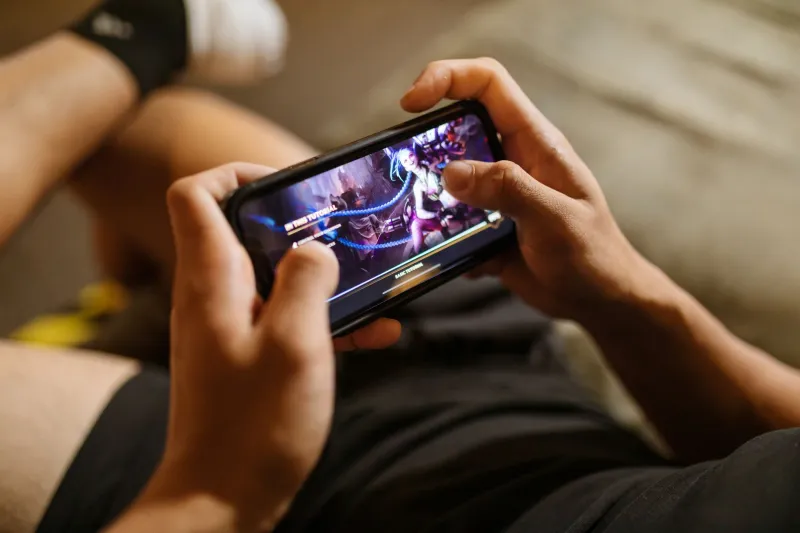
There's a moment every mobile gamer knows. You boot up a newly released title, watch a cinematic intro that looks like it belongs on a PlayStation 5, and think — okay, this is going to be something special. Then you actually start playing. The controls feel stiff. The gameplay loop is about as deep as a puddle. Your phone is already warm to the touch. And twenty minutes later, you've put it down and gone back to something you downloaded two years ago.
That feeling isn't a coincidence. It's a symptom of one of the biggest problems quietly eating away at the mobile gaming world right now: the industry's all-consuming obsession with graphical fidelity, and what it's costing everyone — players, developers, and the creative soul of mobile gaming itself.
When Looking Good Became the Whole Point
Let's rewind a little. Mobile gaming built its audience on accessibility. Simple controls, snappy sessions, clever design that worked within the constraints of a small screen and limited hardware. Games like Angry Birds, Monument Valley, and early Clash of Clans weren't visually jaw-dropping by any stretch — but they were brilliantly designed for the platform they lived on. They understood their environment.
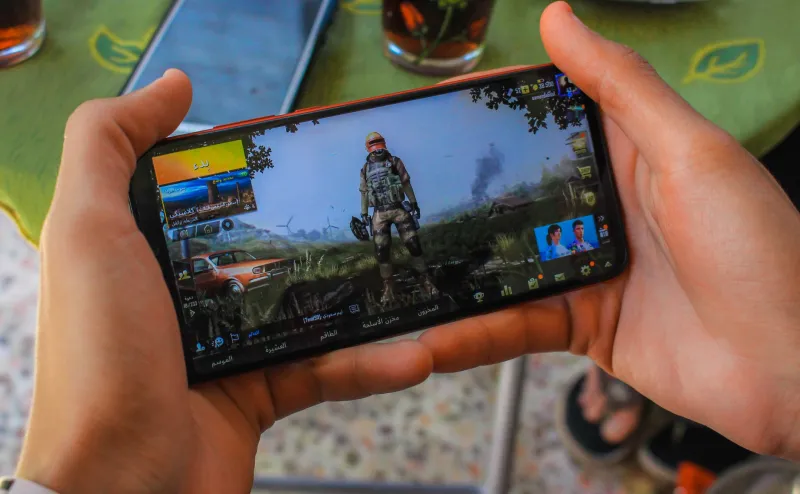
Somewhere along the way, the conversation shifted. As smartphone processors got more powerful, studios started treating phones like miniature gaming PCs. The benchmark for success stopped being "is this fun?" and started being "does this look like it could run on a console?" Marketing trailers leaned hard into visual showcases. App store screenshots became all about ray-traced lighting and character model detail. The race was on, and nobody really stopped to ask whether the finish line was worth crossing.
What You're Actually Giving Up for Those Fancy Visuals
Here's the thing about ultra-realistic mobile graphics: they don't come free. Every step toward visual complexity is a trade-off, and most of those trade-offs hit players directly where it hurts.
Battery life is the first casualty. Rendering console-adjacent graphics on a device that fits in your pocket is an enormous computational ask. Your GPU is maxed out, your CPU is working overtime, and your battery is draining at a rate that makes a two-hour gaming session feel optimistic. For a platform built around gaming on the go — on the subway, during a lunch break, waiting in line — that's a fundamental contradiction. You're carrying a portable gaming device that can't actually stay portable for long.
Storage requirements have become absurd. Some of today's graphically ambitious mobile titles demand 3, 4, even 8 gigabytes of space before you've downloaded a single update. For a huge chunk of the US mobile gaming audience — people playing on mid-range devices or older phones with limited storage — that's a dealbreaker before the game even loads. The visual showcase is irrelevant if half your potential audience can't run it.
And then there's the heat. If you've ever felt your phone turn into a hand warmer mid-session, you already know what sustained graphical load does to your device. Beyond the discomfort, consistent overheating causes real long-term damage to battery health and hardware performance. Chasing pretty pixels is literally aging your phone faster.
The Creative Cost Nobody's Talking About
The hardware strain is bad enough, but the creative damage might be worse.
When the primary development goal becomes visual fidelity, everything else gets squeezed. Innovative mechanics, experimental art styles, and genuinely fresh gameplay ideas get deprioritized because they don't demo as well in a thirty-second trailer. The result is a mobile gaming landscape increasingly filled with games that look stunning and play like slight variations of every other game that looks stunning.
Think about how many truly memorable mobile games have had deliberately stylized, non-realistic visuals. Alto's Odyssey. Cuphead Mobile. Stardew Valley. Mini Metro. None of these games were trying to fool you into thinking you were playing on a console. They leaned into what mobile could do uniquely well — portability, touch interaction, quick-session design — and built visual identities that served those strengths. They're also, not coincidentally, some of the most beloved and replayable games on the platform.
When studios pour their budgets into photorealistic character models and dynamic lighting systems, they're often doing it at the expense of the gameplay systems and design thinking that actually keep players coming back. It's a misalignment of priorities that's quietly making mobile gaming more uniform and less interesting.
Developers Are Feeling It Too
It's not just players getting burned. The pressure to compete visually is crushing smaller studios and warping the economics of mobile game development in ways that push the industry toward safe, proven formulas.
Building console-quality assets for mobile is expensive. Like, really expensive. That cost has to be recouped somewhere, which is part of why so many graphically ambitious mobile titles lean so aggressively on monetization — battle passes, loot boxes, energy systems, cosmetic stores. The visual ambition and the aggressive monetization aren't separate problems. They're connected. Studios spending enormous sums on graphics need enormous revenue to justify it, and players end up paying for pixels they didn't ask for.
Smaller independent developers, meanwhile, get squeezed out of a market where player expectations have been calibrated toward visual spectacle. Building something genuinely innovative but visually modest becomes harder when the App Store algorithm and player perception both favor the flashiest-looking option.
What Actually Makes Mobile Gaming Worth Playing
Here's what gets lost in all the pixel-counting: the things that make mobile gaming genuinely great have almost nothing to do with visual fidelity. They're about fit. A game that respects your time. Mechanics that make sense with touch controls. Sessions that feel complete in ten minutes or satisfying over an hour — your choice. Design that acknowledges you might get a phone call in the middle of a match.
The best mobile gaming experiences — the ones people actually play for years, not weeks — tend to nail those fundamentals. They're not trying to be console games. They're trying to be great mobile games, which is a different and honestly more interesting design challenge.
The graphics arms race pulls developers away from that challenge and toward a competition that mobile hardware is inherently going to lose. No matter how good your Snapdragon chip gets, a phone running on battery power in your pocket is never going to out-render a dedicated gaming machine plugged into the wall. Trying to win that fight means losing the one mobile gaming was already winning.
The Takeaway for Players
If you're building your gaming library, don't let visual showmanship be your guide. Some of the best games available on mobile right now look like they were made in 2015 — and play better than anything with a cinematic trailer. Seek out games with distinctive art styles, tight mechanics, and design that actually respects the platform you're playing on.
And if a new release is melting your phone, eating your storage, and still somehow feeling hollow after thirty minutes? That's not a you problem. That's a priorities problem — and it belongs entirely to the studio that forgot what mobile gaming is actually supposed to be.