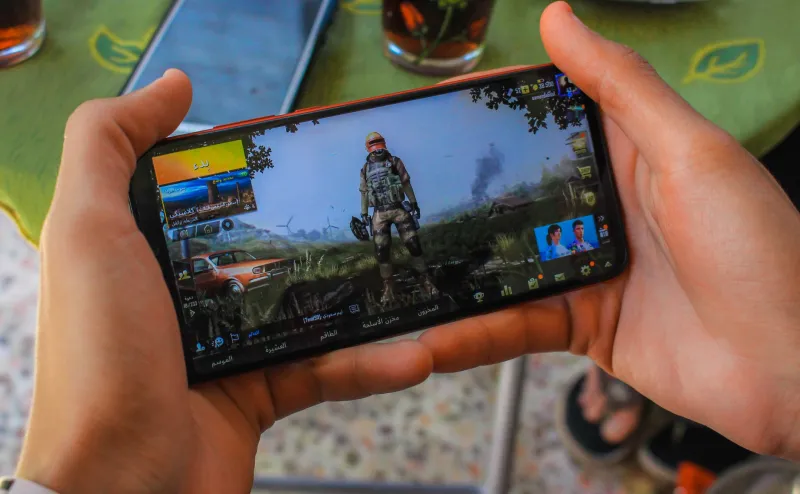
Playing the Same Game, Living in Different Worlds: The Mobile Social Layer That's Quietly Breaking Apart
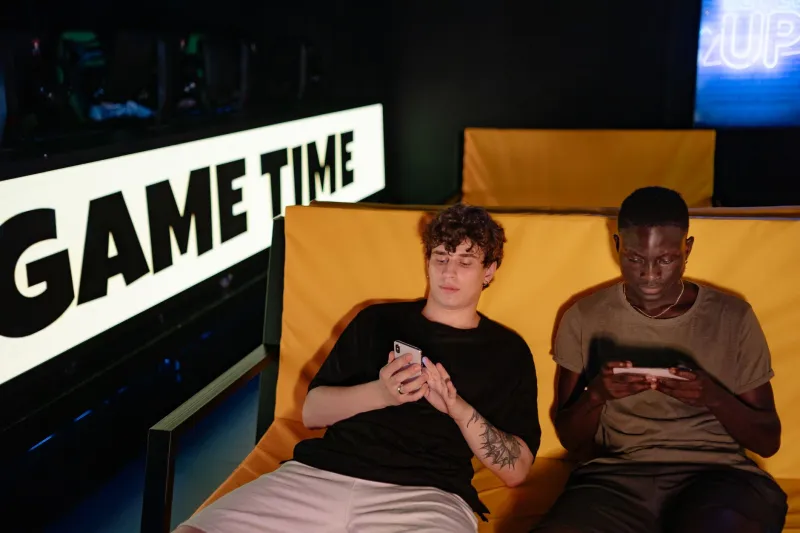
Picture this: you've been grinding ranked matches for weeks with a tight group of mobile players. You've got each other's backs in squad modes, you share tips in the group chat, and your friend list actually feels alive for once. Then your buddy Marcus picks up a new iPhone after years on Android, or your college roommate finally ditches her aging Samsung for a Google Pixel. Same games. Same internet connection. Same desire to play.
And just like that — gone.
Not gone-gone. You can still text. But inside the game? It's like they never existed. No cross-lobby invites. No shared achievement history. Sometimes not even a way to search for them by username. Welcome to one of mobile gaming's most frustrating and least-talked-about design failures: the cross-platform ghost problem.
The Invisible Wall Between iOS and Android Players
Here's the thing most casual mobile gamers don't realize until it's too late — the social layer underneath your favorite games is often completely separate depending on which ecosystem you're playing from. Apple's Game Center and Google Play Games operate like parallel universes. They don't talk to each other. They were never really designed to.
A lot of popular titles handle friend lists and multiplayer matchmaking through platform-native systems rather than building their own universal identity layer. That means your iOS friend list and your Android friend list are two completely different entities, even if you're both downloading the same 500MB game from your respective app stores.
The result? Players who switch phones don't just lose their save data headaches (that's a whole other nightmare). They lose their social graph. Their rank history might not carry over. Their clan membership can evaporate. And the friends they accumulated over months or years simply don't appear in their new environment.
It's Not Just iOS vs. Android — It Goes Deeper
The ecosystem fragmentation doesn't stop at the operating system level. Layer in the fact that many games tie social features to their own account systems — which may or may not be consistently implemented across platforms — and things get messy fast.
Some games let you log in with a third-party account like Facebook or a custom developer ID, which theoretically solves the problem. But "theoretically" is doing a lot of heavy lifting there. Implementation varies wildly. One game might let you carry your friend list seamlessly through a Facebook login. Another might recognize your account but orphan your friends entirely. A third might sync your progress but completely reset your social connections with zero warning.
There's no industry standard. No universal mobile gaming passport. Every developer is essentially building their own bridge — and a lot of them are only building half of it.
Why Developers Haven't Fully Fixed This
Fair question: if this is such an obvious problem, why hasn't it been solved?
Partly it's technical. Building a truly cross-platform social layer that works reliably across iOS, Android, and potentially PC or console versions of the same game requires serious infrastructure investment. You need persistent universal IDs, real-time friend-state syncing, and a lobby system that doesn't care what device you're holding.
But partly — and this is the uncomfortable part — it's not always in a platform's interest to solve it. Apple wants you invested in Apple's ecosystem. Google wants you invested in theirs. If your entire social gaming life is tied to Game Center, you're less likely to consider switching to Android. That lock-in has real business value, even if it costs you a few friendships along the way.
Smaller developers often just don't have the resources to build the ideal solution, so they default to whatever the platform gives them for free. The result is a patchwork system where your social experience depends almost entirely on which game you're playing and which phone you're holding.
The Workarounds Real Players Are Using Right Now
Despite the structural messiness, mobile gamers have gotten creative. Here are the actual strategies people are using to keep their crews together across ecosystem switches:
Locking in a developer account early. If your game offers its own account system separate from Google Play or Game Center, use it from day one. Don't let the game default to platform-native login if you can avoid it. A dedicated developer account is usually the most portable option when you eventually switch devices.
Discord as the universal glue. At this point, Discord has become the de facto social layer that mobile gaming itself refuses to provide. Serious mobile gaming communities — from casual Among Us squads to competitive PUBG Mobile teams — have migrated their coordination entirely to Discord servers. If you're not using it to keep your crew together, you're playing on hard mode.
Sharing usernames proactively, not reactively. The time to exchange in-game IDs and external contact info is before someone switches phones, not after. If you've got a solid gaming crew, make sure everyone's got everyone else's username saved somewhere outside the game itself.
Checking cross-play settings. More games are quietly adding cross-platform play options buried in their settings menus. It's worth digging around — some titles have solved this problem and just haven't shouted about it. Titles like Fortnite Mobile, Call of Duty Mobile, and a handful of others have made genuine strides toward letting players find each other regardless of device.
What a Real Fix Would Actually Look Like
The honest answer is that mobile gaming needs something like what Xbox and PlayStation have slowly, painfully been building toward on console — a universal player identity that travels with you regardless of hardware. Some developers are pushing in this direction with their own cross-platform account systems, and it's genuinely encouraging.
But the real solution probably requires the platforms themselves to cooperate in ways they've historically been reluctant to. Apple and Google opening up interoperability between their gaming social layers isn't something either company has strong incentive to do right now. That leaves developers holding the bag, and leaves players dealing with the fallout.
In the meantime, the mobile gaming community has done what it always does — adapted, worked around the gaps, and built its own infrastructure with whatever tools are available.
Don't Let a Phone Upgrade Kill Your Squad
If you're planning a device switch — or if someone in your regular gaming crew is — treat the social layer like it's as important as your save data. Because honestly, for a lot of players, it is. Progress can be rebuilt. Rankings can be reclimbed. But the organic, hard-won social connections that make mobile gaming actually fun? Those are a lot harder to restore once they're gone.
The games are getting better. The hardware is getting better. But the invisible infrastructure that connects players across ecosystems? That part still has a long way to go. Until it catches up, the best tool you've got is knowing the problem exists — and planning around it before it bites you.