From Couch to Championship: How Mobile Gaming Became a Serious Competitive Sport

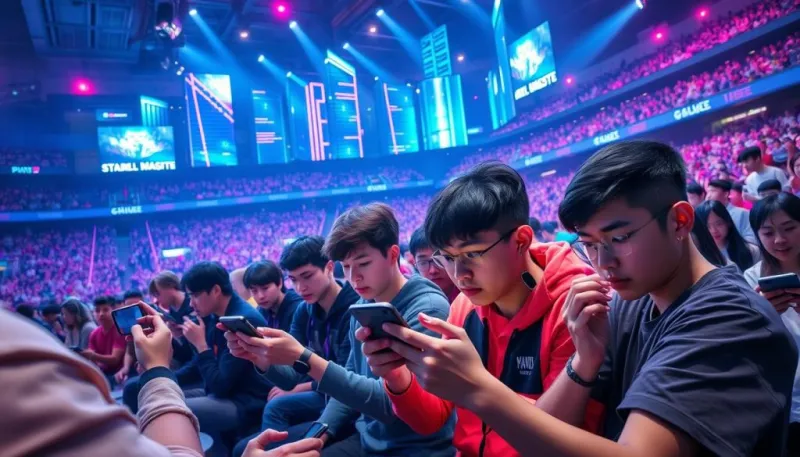
Photo: PUBG Mobile Esports, Public domain, via Wikimedia Commons
Not too long ago, if you told a hardcore PC gamer that you were "going competitive" on your phone, you'd probably get laughed out of the LAN party. Fast forward to today, and mobile esports tournaments are filling arenas, awarding million-dollar prize pools, and drawing viewership numbers that rival traditional console competitions. Something major shifted — and if you've been sleeping on competitive mobile gaming, now's the time to wake up.
At G2G Mobile Arena, we live by the motto: Play Anywhere. Win Everywhere. That second part? It's no longer just a catchy line. It's a reality that millions of players across the US and beyond are proving every single day.
The Games That Changed Everything
Let's be real — the turning point for competitive mobile gaming didn't happen overnight. It took a handful of titles to prove that touchscreens could handle the kind of high-stakes, skill-intensive gameplay that serious gamers demand.
PUBG Mobile arguably kicked the door wide open. When it launched in 2018, it wasn't just a watered-down version of its PC counterpart — it was a fully realized battle royale experience that rewarded positioning, aim, and game sense just as much as the desktop version. The PUBG Mobile Global Championship now regularly features prize pools north of $6 million, with teams from across the globe competing at an elite level.
Fortnite took things a step further by enabling true cross-platform play, letting mobile players go head-to-head against console and PC opponents. That's not just impressive — it's a statement. Epic Games essentially said, "Yeah, mobile players can compete with everyone else." And some of them genuinely do.
Then there's Genshin Impact, which flipped the script entirely. It's not a traditional esport, but it demonstrated that mobile platforms could deliver open-world RPG experiences with graphics and depth that rival anything on PlayStation or Xbox. It proved that the "mobile gaming is for casuals" narrative was officially dead.
The Tech That Made It Possible
None of this competitive evolution could've happened without some serious hardware catching up to the ambition. Today's flagship smartphones — think Apple's A-series chips or Qualcomm's Snapdragon 8 Gen processors — are genuinely powerful computing machines. We're talking about devices that can render console-quality visuals at high frame rates while fitting in your back pocket.
Display technology has been a game-changer too. Many modern phones now support 120Hz or even 144Hz refresh rates, giving competitive players the kind of smooth, responsive visual feedback that was once exclusive to high-end gaming monitors. When every millisecond counts in a firefight, that matters.
Touch controls have also matured dramatically. Customizable HUD layouts, gyroscope aiming, and Bluetooth controller support mean that players can tailor their input method to their playstyle. Add in accessories like gaming triggers and cooling fans that clip onto your phone, and you've essentially got a dedicated handheld gaming rig.
The Pros Who Made the Jump
One of the most fascinating stories in competitive gaming right now is the migration of talent from console and PC to mobile platforms. Some players discovered that their mechanical skills transferred beautifully — and that the mobile competitive scene offered a less saturated path to professional recognition.
In the US, organizations like Team SoloMid (TSM) and NRG have invested in mobile esports rosters, signaling that mainstream esports organizations see real value in the space. Meanwhile, dedicated mobile-first players have risen to global prominence, building massive followings on platforms like YouTube and Twitch by showcasing what elite mobile play actually looks like.
It's a two-way street, too. Console veterans bring fundamentals — map awareness, communication, strategic thinking — that elevate the level of competition. Mobile-native players counter with insane touch-control precision and a deep understanding of platform-specific mechanics. When these worlds collide, the results are genuinely exciting to watch.
Tournaments, Prize Money, and Your Shot at Glory
Here's something that might surprise you: you don't need to be a seasoned pro to dip your toes into competitive mobile gaming. The ecosystem is built around accessibility at every level.
Games like Mobile Legends: Bang Bang and Clash Royale run regular in-game ranked ladders and community tournaments with entry points for players of all skill levels. The path from casual weekend warrior to tournament contender is more clearly defined than ever before.
For those with higher ambitions, qualifiers for major events like the PUBG Mobile World Invitational or Free Fire World Series are open to regional teams, meaning a squad of dedicated players grinding from their apartments in Chicago or Dallas genuinely has a pathway to international competition. That's wild when you think about it.
Even spectating has gotten better. Mobile esports broadcasts have leveled up their production quality, with professional commentary, real-time stats overlays, and cinematic camera work that makes following matches genuinely entertaining — whether you're watching on a big screen or, naturally, on your phone.
What This Means for the Average Mobile Gamer
You don't have to be chasing a pro contract for any of this to matter. The competitive evolution of mobile gaming has a trickle-down effect that benefits everyone who picks up their phone for a gaming session.
More competition at the top means developers invest more in balance, anti-cheat systems, and server infrastructure — all things that improve the experience for every player. The pressure to attract and retain serious gamers has pushed studios to treat mobile titles with the same care and respect they'd give a major console release.
The gap between "playing on your phone" and "real gaming" has effectively closed. Whether you're hopping into a ranked match during your lunch break or grinding tournament qualifiers on a weekend, mobile gaming now offers a legitimate competitive experience that deserves to be taken seriously.
And at G2G Mobile Arena, that's exactly what we've always believed. Your arena is wherever you are. Your competition is whoever's willing to show up. Play anywhere — and yeah, win everywhere.